
 By Claire Whitaker
Updated November 2026
An environmentally friendly yoga mat is one that reduces harm across its life: the materials it’s made from, how it’s manufactured, how long it lasts, and what happens to it when you’re finished with it. Many shoppers want that without giving up grip, cushioning or easy cleaning. This list compares six mats built on that idea, using manufacturer specifications, brand reputation and the patterns owners commonly describe in feedback. The criteria were material sourcing (cork, natural rubber, TPE instead of PVC), non-toxic construction, slip resistance, cushioning, durability and whether the mat fits common home-practice needs. For a broader look at safer materials, see Yoga Mat Non Toxic: How to Choose a Safer Mat in 6 Steps (2026).
Our top picks at a glance
- 1
 TOP CHOICEBest overallAnanday Premium Cork Yoga MatView on Amazon
- 2
 TOP CHOICEBest for hot yogaGaiam Cork Yoga MatView on Amazon
- 3
 TOP CHOICEBest budget pickEwedoos Eco Friendly Yoga MatView on Amazon
- 4
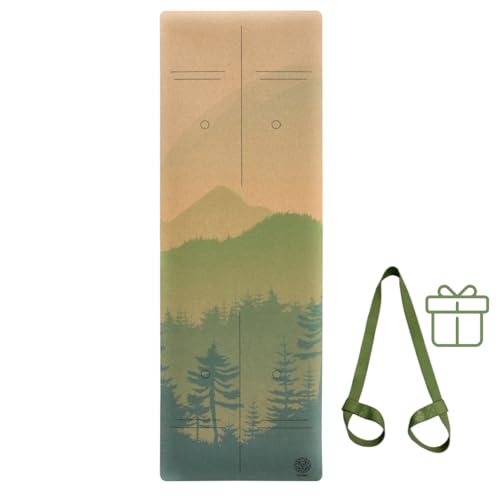 Best for natural rubber fansSatori Concept Cork Yoga MatView on Amazon
- 5
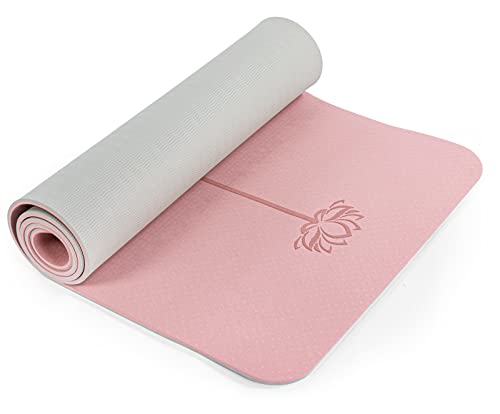 Best for home workoutsNon Slip Pilates Fitness MatView on Amazon
- 6
 Best for lightweight carryingGaiam Essentials Yoga MatView on Amazon
Our Top Picks
Quick Comparison
| Product | Best for | Key feature |
|---|---|---|
| Ananday Premium Cork Yoga Mat | Overall eco-conscious practice | Cork surface with PVC-free construction |
| Gaiam Cork Yoga Mat | Hot yoga and sweaty sessions | Sweat-resistant cork top with TPE backing |
| Ewedoos Eco Friendly Yoga Mat | Budget-minded shoppers | Thick TPE with anti-tear surface |
| Satori Concept Cork Yoga Mat | Shoppers wanting a natural rubber base | Cork over natural rubber base |
| Non Slip Pilates Fitness Mat | Home workouts and Pilates | Extra-long 72-inch size with carrying sling |
| Gaiam Essentials Yoga Mat | Light portable use | 6mm cushioning with non-slip texture |
Ananday Premium Cork Yoga Mat
Ananday Premium Cork Yoga Mat – Sustainable, Non-Toxic & PVC-Free, Non-Slip, Perfect for Hot Yoga, Pilates & Exercise – Cushioned for Superior Comfort & Support
Best for: Overall eco-conscious practice
This mat suits people who want a natural cork surface and a PVC-free build for regular yoga, Pilates or general floor exercise. It’s a strong default if you want a sustainable feel without specialized needs.
Key specs
- Cork top surface
- PVC-free, non-toxic construction (as stated in the listing)
- Non-slip surface suited to yoga, Pilates and exercise
Pros
- Cork resists odor and holds grip when damp
- PVC-free materials align with non-toxic goals
- Cushioning suits joint-sensitive floor work
Cons
- Cork can feel firmer than foam or rubber to some users
- Heavier than basic TPE mats, which matters for travel
Bottom line: A good first choice for someone prioritizing sustainability and cork texture for everyday practice.
View on AmazonGaiam Cork Yoga Mat
Gaiam Cork Yoga Mat, Natural Non-Slip Exercise & Fitness Mat for Hot Yoga | Sustainable cork surface resists sweat & odor. Non-slip TPE backing for yoga, Pilates & hot yoga workouts.
Best for: Hot yoga and sweaty sessions
Practitioners who sweat heavily or attend heated classes often want a surface that won’t slip or hold odor. This mat is built around a cork top with a grippy backing for that purpose.
Key specs
- Natural cork surface
- Non-slip TPE backing
- Designed for yoga, Pilates and hot yoga
Pros
- Cork surface is described as resistant to sweat and odor
- Backing grips floors well during standing poses
- Natural look appeals to eco-minded buyers
Cons
- Cork needs occasional oiling or gentle cleaning to keep its finish
- Less cushioning than thicker foam options
Bottom line: Best for regular hot-yoga practitioners who want a cork surface and reliable traction.
View on AmazonEwedoos Eco Friendly Yoga Mat
Ewedoos Eco Friendly Yoga Mat Thick TPE Yoga Mat Non Slip Yoga Mats Anti-tear Exercise Workout Mat for Women Men Kids Yoga, Pilates and Fitness
Best for: Budget-minded shoppers
This TPE mat is aimed at beginners and families who want a thick, non-slip mat without paying for premium natural materials. It’s labeled eco-friendly and marketed for yoga, Pilates and fitness across age groups.
Key specs
- TPE construction
- Thick, cushioned profile
- Anti-tear surface for everyday use
Pros
- Generous cushioning for floor work
- TPE avoids PVC, a common concern for non-toxic buyers
- Suits a wide range of users, including kids
Cons
- TPE is not a natural material, so it doesn’t meet strict plant-based or biodegradable goals
- Thick mats can be harder to balance on in standing poses
Bottom line: A practical choice for buyers who want a lower-cost, cushioned mat with a reduced-PVC profile.
View on AmazonSatori Concept Cork Yoga Mat
Satori Concept Cork Yoga Mat with Natural Rubber Base, Extra Size, Thickness and Support, Excellent Cushion & Grip, Non-Slip, Non-Toxic, Sweat-Resistant, Sustainable, Eco-friendly Exercise Mat (Mounta
Best for: Shoppers wanting a natural rubber base
This mat pairs a cork surface with a natural rubber base, suiting people who want both materials from renewable sources and a sturdy, supportive feel for longer sessions.
Key specs
- Cork top layer
- Natural rubber base
- Extra-size format for more room (as stated in the listing)
Pros
- Natural rubber base adds grip and support
- Cork surface is sweat-resistant and sustainable
- Extra size suits wider stances and savasana
Cons
- Heavier than thin travel mats
- Natural rubber can carry a scent that fades over time
Bottom line: A good fit for buyers who want plant-based materials on both the top and bottom and don’t need to pack the mat far.
View on AmazonNon Slip Pilates Fitness Mat
Non Slip, Pilates Fitness Mats, Eco Friendly, Anti-Tear 1/4" Thick Yoga Mats for Women, Exercise Mats for Home Workout with Carrying Sling (72"x24", Parfait Pink & Gray)
Best for: Home workouts and Pilates
The 72-by-24-inch size and quarter-inch thickness make this mat a fit for taller users and home routines that move from floor exercises to stretching. The eco-friendly claim and carrying sling add convenience.
Key specs
- Dimensions: 72 by 24 inches
- Thickness: 1/4 inch
- Includes carrying sling
Pros
- Long length accommodates taller users
- Quarter-inch cushioning balances support and stability
- Sling makes it easy to move between rooms
Cons
- Thinner than dedicated cushioned mats for kneeling-heavy work
- The eco-friendly claim depends on material details that should be checked on the listing
Bottom line: Well suited to home Pilates and workout users who want extra length and a manageable thickness.
View on AmazonGaiam Essentials Yoga Mat
Gaiam Essentials Yoga Mat, 6mm Non-Slip with Carrying Sling (Navy) | Textured non-slip surface for grip & traction. Lightweight 6mm cushioning for yoga, Pilates & floor workouts.
Best for: Light portable use
This 6mm mat balances cushioning with portability. It suits people who take classes or practice outdoors and want a mat they can carry without strain.
Key specs
- Thickness: 6mm
- Textured non-slip surface
- Includes carrying sling
Pros
- Lighter than thick foam or cork mats
- Textured surface supports traction for standing poses
- Sling simplifies transport
Cons
- Synthetic material, so it doesn’t match plant-based goals
- 6mm is less cushioned than thicker options for knees and wrists
Bottom line: A practical pick for travelers and class-goers who value weight over maximum padding.
View on AmazonBuying Guide
Material and sourcing
Natural materials such as cork and natural rubber are often chosen for their renewable origins. Check whether the listing states the material composition clearly. Mixed-material mats can be harder to recycle, so ask what the manufacturer says about end-of-life disposal.
Good picks for this: Ananday Premium Cork Yoga Mat, Satori Concept Cork Yoga Mat
Chemical composition and PVC
PVC is the material most often flagged in non-toxic discussions. Look for explicit “PVC-free” statements and clear labeling. Keep in mind that “non-toxic” is a marketing term unless backed by a specific certification named on the listing.
Good picks for this: Gaiam Cork Yoga Mat, Ewedoos Eco Friendly Yoga Mat
Thickness and cushioning
Thickness shapes both comfort and balance. Thinner mats (around 1/8 to 1/4 inch) give more floor feedback. Thicker mats cushion knees and wrists but can reduce stability in standing poses. Choose based on the practice you do most.
Good picks for this: Non Slip Pilates Fitness Mat, Gaiam Essentials Yoga Mat
Size and fit
Standard mats are about 68 to 72 inches long. If you’re taller, a longer mat keeps your head and heels on the surface during savasana and lying poses. Measure your height and add a few inches of margin.
Good picks for this: Non Slip Pilates Fitness Mat, Satori Concept Cork Yoga Mat
Grip and traction
Grip matters most during sweaty practice and standing sequences. Cork and textured TPE both offer traction, though cork’s grip can change when it’s dry versus damp. Test the surface in a warm room before committing if you can.
Good picks for this: Gaiam Cork Yoga Mat, Gaiam Essentials Yoga Mat
Durability and care
Cork and natural rubber typically last well with gentle cleaning. Avoid harsh solvents, and let the mat air-dry flat. Cork may need occasional oiling to keep its finish, as some manufacturers recommend. Follow the care instructions for your specific mat.
Good picks for this: Ananday Premium Cork Yoga Mat, Satori Concept Cork Yoga Mat
Portability and weight
If you travel or attend classes, weigh the mat and check for a carrying sling. Cork and natural rubber mats are heavier than basic TPE. A lighter mat is easier to carry, but may offer less cushioning.
Good picks for this: Gaiam Essentials Yoga Mat, Ewedoos Eco Friendly Yoga Mat
FAQ
What makes a yoga mat environmentally friendly?
Usually a combination of renewable or plant-based materials (such as cork or natural rubber), avoiding PVC, durable construction that lasts longer, and clear manufacturer information about materials and disposal. No single feature guarantees full environmental benefit.
Is TPE an eco-friendly yoga mat material?
TPE is generally considered a reduced-PVC option and is often marketed as eco-friendly. It is still a synthetic polymer, so it doesn’t match plant-based materials. It can be a reasonable compromise when weight and price matter.
Are cork yoga mats good for hot yoga?
Many cork mats are designed to resist sweat and odor and provide traction when damp. Check the listing for sweat resistance and grip claims, and clean the mat regularly to keep it performing well.
How do I clean an eco-friendly yoga mat?
Wipe with a mild soap and water solution or a cleaner recommended by the manufacturer, then air-dry flat. Avoid strong chemicals that can break down natural materials. Read the care instructions that come with your mat.
Does a thicker mat mean a better mat?
Not necessarily. Thickness affects cushioning and stability in different ways. Thin mats give better balance; thicker mats cushion joints. The right thickness depends on your practice and any sensitivity in your knees or wrists.
How long does an eco-friendly yoga mat last?
Lifespan depends on material, use frequency and care. Manufacturers often describe durability in general terms, so check the warranty or product details. Consistent gentle cleaning usually extends a mat’s life.
Conclusion
For overall eco-conscious practice, the Ananday Premium Cork Yoga Mat is a sound starting point. Hot-yoga regulars may prefer the Gaiam Cork Yoga Mat for its sweat-resistant surface. Budget-minded buyers can look at the Ewedoos mat, keeping in mind that TPE is synthetic. Those who want natural rubber underneath should consider the Satori Concept mat, while home Pilates users will appreciate the long format of the Non Slip Pilates mat. For lightweight portability, the Gaiam Essentials mat is the most practical. Match the pick to your main practice and the material standards you care about most. For more on fit and setup, see Yoga Mat for Home Workout: How to Choose One That Fits Your Space (2026).
Sources
- Guidance on sustainable materials management and product end-of-life considerations (epa.gov)
- Consumer product safety information on chemical content and labeling (cpsc.gov)
- Research summaries on phthalates and other additives in polymer products (nih.gov)
Related reading
- 5 Best Eco Friendly Yoga Mats for Every Practice (2026)
- Yoga Mats for Beginners
- Yoga Mat for Yin Yoga: 4 Best Picks for Slow, Floor-Based Practice
About Claire Whitaker
Claire Whitaker is part of our editorial team and reviews and edits our yoga guides, checking product details against manufacturer specifications and owner feedback.


