
 By Claire Whitaker
Updated November 2026
Choosing an earth friendly yoga mat usually comes down to three questions: what the mat is made from, how long it will last, and whether it still grips well when you sweat. This guide compares four mats with different materials and practice styles. Each pick was selected by reviewing manufacturer specifications, brand reputation and common owner feedback patterns.
Our top picks at a glance
- 1
 TOP CHOICEBest overallGaiam Cork Yoga Mat, Natural Non-Slip Exercise & Fitness Mat for Hot YogaView on Amazon
- 2
 Best for hot yogaMELLOWBUFF Hand-Woven Cotton Yoga Mat – 100% Natural Cloth Yoga RugView on Amazon
- 3
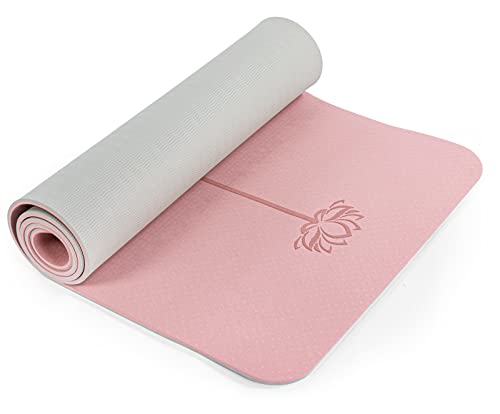 Best for home workoutsNon Slip, Pilates Fitness Mats, Eco Friendly, Anti-Tear 1/4" Thick Yoga MatsView on Amazon
- 4
 Best budget pickEwedoos Eco Friendly Yoga Mat Thick TPE Yoga Mat Non SlipView on Amazon
Our Top Picks
Quick Comparison
| Product | Best for | Key feature |
|---|---|---|
| Gaiam Cork Yoga Mat | Hot yoga and sweaty sessions | Natural cork surface with non-slip TPE backing |
| MELLOWBUFF Hand-Woven Cotton Yoga Mat | Meditation and gentle floor work | Absorbent, washable 100% cotton construction |
| Non Slip Pilates Fitness Mat (72″ x 24″) | Home workouts and Pilates | Anti-tear 1/4 inch cushioning with carrying sling |
| Ewedoos Eco Friendly TPE Yoga Mat | Budget-minded everyday practice | Non-slip TPE surface, lightweight and anti-tear |
Gaiam Cork Yoga Mat, Natural Non-Slip Exercise & Fitness Mat for Hot Yoga
Gaiam Cork Yoga Mat, Natural Non-Slip Exercise & Fitness Mat for Hot Yoga | Sustainable cork surface resists sweat & odor. Non-slip TPE backing for yoga, Pilates & hot yoga workouts.
Best for: Hot yoga and sweaty sessions
This mat suits people who practice in heated rooms or sweat heavily and want a natural material that resists odor and moisture. Cork is a renewable bark harvest, which is the main reason it appears on many eco-focused lists.
Key specs
- Natural cork surface
- Non-slip TPE backing
- Designed for yoga, Pilates and hot yoga
Pros
- Cork surface resists sweat and odor, as the listing describes
- Non-slip backing keeps the mat from sliding on hard floors
- Natural material with a distinctive, grippy feel
Cons
- Cork can feel firmer than foam, which some practitioners find less cushioned for knees
- Heavier than many lightweight travel mats
Bottom line: A strong choice for hot yoga students who want a natural surface and reliable grip. Those who prioritize cushioning for kneeling may want a thicker option.
View on AmazonMELLOWBUFF Hand-Woven Cotton Yoga Mat – 100% Natural Cloth Yoga Rug
MELLOWBUFF Hand-Woven Cotton Yoga Mat – 100% Natural Cloth Yoga Rug for Hot Yoga, Exercise, Workout, Fitness & Meditation – Absorbent, Washable Yoga Rug, 78 x 28 Inches, Pack of 1 – BHUMI
Best for: Meditation and gentle floor work
This is a cloth-style rug rather than a foam or rubber mat. It works best for seated meditation, restorative poses and practitioners who want a soft, breathable surface with no synthetic coating.
Key specs
- 100% cotton, hand-woven construction
- Listed size: 78 x 28 inches
- Machine-washable per typical cloth rug care
Pros
- Natural fiber with no synthetic coating
- Absorbent surface handles sweat well for its style
- Washable, which simplifies upkeep
Cons
- Offers far less cushioning and grip than rubber or cork mats for standing flows
- Can shift on smooth floors without a non-slip underlay
Bottom line: Ideal for meditation and gentle practice. Power yoga students should look at a grippier, more cushioned mat.
View on AmazonNon Slip, Pilates Fitness Mats, Eco Friendly, Anti-Tear 1/4″ Thick Yoga Mats
Non Slip, Pilates Fitness Mats, Eco Friendly, Anti-Tear 1/4" Thick Yoga Mats for Women, Exercise Mats for Home Workout with Carrying Sling (72"x24", Parfait Pink & Gray)
Best for: Home workouts and Pilates
A thicker, cushioned mat sized for full-body floor routines. It suits people working out at home who want a larger surface for Pilates, stretching and strength circuits.
Key specs
- Thickness: 1/4 inch
- Listed size: 72 x 24 inches
- Includes a carrying sling
Pros
- 1/4 inch thickness gives comfortable cushioning for knees and wrists
- Anti-tear construction is described by the manufacturer
- Carrying sling makes it easy to move between rooms
Cons
- Thicker mats can be less stable for balance-heavy standing poses
- Larger footprint than travel-focused mats
Bottom line: A practical pick for home Pilates and floor workouts. Travelers and those needing a narrow profile should consider a thinner, lighter option.
View on AmazonEwedoos Eco Friendly Yoga Mat Thick TPE Yoga Mat Non Slip
Ewedoos Eco Friendly Yoga Mat Thick TPE Yoga Mat Non Slip Yoga Mats Anti-tear Exercise Workout Mat for Women Men Kids Yoga, Pilates and Fitness
Best for: Budget-minded everyday practice
A TPE mat aimed at people who want an eco-positioned option without a premium price tag. It fits beginners and general fitness users who practice several times a week.
Key specs
- TPE (thermoplastic elastomer) material
- Non-slip surface
- Anti-tear construction per the listing
Pros
- Good value for an eco-positioned mat
- TPE is generally free of PVC, which many buyers prefer
- Lightweight and easy to store
Cons
- Durability over years of heavy use is less proven than cork or natural rubber
- Surface grip can decline as the mat ages
Bottom line: A sensible starting point for beginners who want an earth friendly yoga mat without spending heavily. Serious long-term users may prefer a natural-material mat.
View on AmazonBuying Guide
Material and Eco Credentials
Natural materials such as cork, natural rubber and cotton are renewable, while TPE and PVC are petroleum-based. “Eco friendly” is not a regulated term for mats, so read the manufacturer’s material statement carefully and look for specific claims rather than general wording. For more on what to check, see our guide to Yoga Mat Non Toxic: How to Choose a Safer Mat in 6 Steps (2026).
Good picks for this: Gaiam Cork Yoga Mat, MELLOWBUFF Hand-Woven Cotton Yoga Mat
Thickness and Cushioning
Thin mats of about 1/16 to 1/8 inch give stability for standing balance, while 1/4 inch offers more comfort for knees and wrists. If you are unsure, check our Yoga Mat Thickness Guide for side-by-side ranges.
Good picks for this: Non Slip Pilates Fitness Mat, Ewedoos Eco Friendly TPE Yoga Mat
Grip and Surface Texture
A mat that slides during downward dog is a safety issue. Look for textured surfaces and non-slip backing, and remember that grip often improves when you wipe the mat clean and let sweat dry.
Good picks for this: Gaiam Cork Yoga Mat, Non Slip Pilates Fitness Mat
Size and Fit
Standard mats are around 68 inches long and 24 inches wide. Taller practitioners or those who need room for wide poses may prefer something longer. Measure your height and practice space before ordering. See Standard Yoga Mat Length: What Size Fits You Best (Step-by-Step) for a sizing method.
Good picks for this: Non Slip Pilates Fitness Mat, MELLOWBUFF Hand-Woven Cotton Yoga Mat
Use Case and Practice Style
Hot yoga, Pilates, restorative work and home circuits each place different demands on a mat. Match the mat to your most frequent style rather than an occasional one. For example, if you practice mostly on carpet, check Yoga Mat for Carpet: How to Choose and Use One on Carpeted Floors (2026).
Good picks for this: Gaiam Cork Yoga Mat, MELLOWBUFF Hand-Woven Cotton Yoga Mat
Durability and Lifespan
Natural rubber and cork tend to wear more slowly than thin foam under heavy use, while lightweight TPE may show surface wear sooner with daily practice. Manufacturers’ warranty and care instructions are useful indicators.
Good picks for this: Gaiam Cork Yoga Mat, Ewedoos Eco Friendly TPE Yoga Mat
Care and Cleaning
Most eco mats do best with a diluted, gentle cleaner and air drying out of direct sun. Avoid harsh solvents, which can degrade natural materials. For a homemade approach, see Yoga Mat DIY Cleaner: 5 Best Picks Compared (2026).
Good picks for this: MELLOWBUFF Hand-Woven Cotton Yoga Mat, Non Slip Pilates Fitness Mat
FAQ
What makes a yoga mat earth friendly?
Generally, mats made from renewable or natural materials such as cork, natural rubber or cotton, or from TPE rather than PVC, are described as eco-friendly. Since no single regulated standard exists, check the manufacturer’s material details.
Is TPE a good eco-friendly option?
TPE is widely used as a PVC alternative and is typically described as free of chlorine and phthalates. It is not biodegradable, but it is often considered a more responsible choice than PVC for everyday use.
Are cork yoga mats better than rubber?
Each has trade-offs. Cork resists moisture and odor well and offers a distinctive grip, while natural rubber provides strong traction and cushioning. The better choice depends on whether you sweat heavily or prioritize softness.
How thick should an eco yoga mat be?
Thinner mats around 1/16 to 1/8 inch suit standing balance work, while 1/4 inch suits joint comfort on hard floors. Choose based on the practice you do most often.
How do I clean an earth friendly yoga mat?
Use a mild, diluted cleaner and a soft cloth, then air dry away from direct sunlight. Check the manufacturer’s care instructions, since natural materials can react poorly to some products.
Do eco mats last as long as conventional mats?
Durability varies by material and use. Natural rubber and cork often hold up well under regular practice, but lifespan depends on frequency, cleaning habits and surface wear. Manufacturer warranties offer one useful reference point.
Is an eco yoga mat safe for people with allergies?
Some people react to natural rubber latex, so anyone with latex sensitivity should choose a non-rubber option. If you have allergies or skin conditions, consult a physician or dermatologist before choosing a material.
Conclusion
For a natural surface that handles sweat well, the Gaiam Cork Yoga Mat is a strong pick. Meditation and gentle practitioners may prefer the MELLOWBUFF cotton rug. Home Pilates and floor workouts suit the 1/4 inch Non Slip Pilates Fitness Mat, while the Ewedoos TPE mat offers an accessible starting point. Match your choice to how you actually practice, and read each listing’s material details before buying.
Sources
- Guidance on environmentally preferable purchasing and material choices (epa.gov)
- Consumer product safety information on chemical content and safe use of products (cpsc.gov)
- Research summaries on latex sensitivity and allergic reactions to natural rubber (nih.gov)
Related reading
About Claire Whitaker
Claire Whitaker is part of our editorial team and reviews and edits our yoga guides, checking product details against manufacturer specifications and owner feedback.


