
 By Claire Whitaker
Updated November 2026
An eco friendly yoga mat is usually a mat made from natural rubber, cork, or a recyclable thermoplastic elastomer (TPE) rather than standard PVC. Choosing one means balancing a few things: how the surface grips when you sweat, how much cushion your joints need, whether the material is free of harsh additives, and how easy the mat is to clean and keep for years. The four picks below were selected by comparing manufacturer specifications, brand reputation, and the feedback patterns owners commonly describe. We did not test these mats ourselves.
Our top picks at a glance
- 1
 TOP CHOICEBest overallGaiam Cork Yoga MatView on Amazon
- 2
 Best for hot yogaSatori Concept Cork Yoga MatView on Amazon
- 3
 Best budget pickEwedoos Eco Friendly Yoga MatView on Amazon
- 4
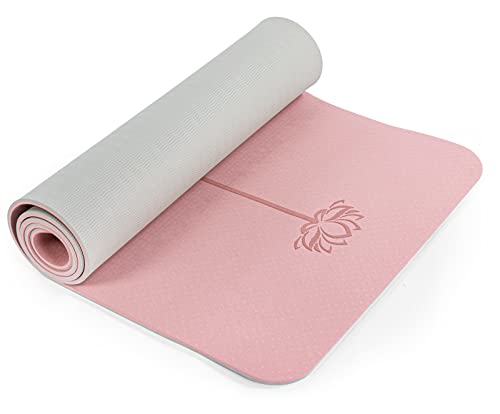 Best for home PilatesNon Slip Pilates Fitness Mat (72" x 24")View on Amazon
Our Top Picks
Quick Comparison
| Product | Best for | Key feature |
|---|---|---|
| Gaiam Cork Yoga Mat | Everyday practice and hot yoga | Natural cork surface with a non-slip TPE backing |
| Ewedoos Eco Friendly Yoga Mat | Shoppers who want a lower-cost eco option | Thick TPE construction with an anti-tear design |
| Satori Concept Cork Yoga Mat | Sweaty practices needing extra cushion | Cork surface over a natural rubber base |
| Non Slip Pilates Fitness Mat (72″ x 24″) | Home Pilates and floor workouts | Extra-long size with a carrying sling |
Gaiam Cork Yoga Mat
Gaiam Cork Yoga Mat, Natural Non-Slip Exercise & Fitness Mat for Hot Yoga | Sustainable cork surface resists sweat & odor. Non-slip TPE backing for yoga, Pilates & hot yoga workouts.
Best for: Everyday yoga practice and hot yoga
This is a good fit for practitioners who want a natural surface that handles sweat well and doesn’t rely on petroleum-based PVC. It suits both steady home practice and warmer classes.
Key specs
- Natural cork top surface
- Non-slip TPE backing
- Designed for yoga, Pilates, and hot yoga
Pros
- Cork resists sweat and tends to stay grippy as it dries
- Natural material with a distinct, earthy look
- Non-slip backing keeps the mat in place on hard floors
Cons
- Cork can feel firmer than foam or rubber for some joints
- Owners often mention it needs gentle cleaning to keep the surface looking fresh
Bottom line: A strong all-around choice for someone who wants a natural, sweat-resistant surface for regular or hot yoga.
View on AmazonEwedoos Eco Friendly Yoga Mat
Ewedoos Eco Friendly Yoga Mat Thick TPE Yoga Mat Non Slip Yoga Mats Anti-tear Exercise Workout Mat for Women Men Kids Yoga, Pilates and Fitness
Best for: Budget-conscious shoppers who want an eco-labeled option
This mat suits beginners, kids, and anyone who wants a thick, cushioned surface without paying for premium materials. It works for yoga, Pilates, and general fitness.
Key specs
- TPE construction
- Thick cushioning for floor work
- Anti-tear design for regular use
Pros
- Good cushioning for knees and wrists during floor poses
- TPE is lighter than many rubber or cork options
- Works across yoga, Pilates, and fitness
Cons
- Grip can weaken during very sweaty sessions, according to some owner reports
- Foam-like feel is not for everyone who prefers a firmer surface
Bottom line: A sensible pick for beginners and families who want cushioning and an eco-leaning material without a high investment.
View on AmazonSatori Concept Cork Yoga Mat
Satori Concept Cork Yoga Mat with Natural Rubber Base, Extra Size, Thickness and Support, Excellent Cushion & Grip, Non-Slip, Non-Toxic, Sweat-Resistant, Sustainable, Eco-friendly Exercise Mat (Mounta
Best for: Sweaty practices that need extra cushion and grip
This mat is aimed at practitioners who want a cork top layer for sweat resistance and a natural rubber base for support and stability. It is a good match for longer or more demanding sessions.
Key specs
- Cork surface
- Natural rubber base
- Extra size and thickness per the listing
Pros
- Natural rubber base adds stability on smooth floors
- Cork top layer is sweat-resistant and grippy
- Extra length and thickness suit taller users
Cons
- Heavier than lightweight TPE mats, which matters for carrying to class
- Cork and rubber can carry a noticeable natural scent at first
Bottom line: Best suited to people who prioritize stability and sweat handling and don’t need to travel with the mat often.
View on AmazonNon Slip Pilates Fitness Mat (72″ x 24″)
Non Slip, Pilates Fitness Mats, Eco Friendly, Anti-Tear 1/4" Thick Yoga Mats for Women, Exercise Mats for Home Workout with Carrying Sling (72"x24", Parfait Pink & Gray)
Best for: Home Pilates and floor workouts
This longer, thinner mat is built for people who stretch out fully during floor work or share space with a partner. The included carrying sling makes it easy to move between rooms.
Key specs
- 72″ x 24″ size
- 1/4″ thickness
- Eco-friendly, anti-tear construction with a carrying sling
Pros
- Generous length suits tall users and full-body Pilates
- Sling makes carrying simple
- Non-slip surface for stable floor work
Cons
- 1/4″ thickness gives less knee and wrist cushioning than thicker mats
- Long size can be awkward in small rooms
Bottom line: The right choice for a dedicated home workout space where length and portability matter more than thick padding.
View on AmazonBuying Guide
Material: natural rubber, cork, or TPE
Natural rubber offers strong grip and is biodegradable under the right conditions. Cork is renewable, naturally sweat-resistant, and free of synthetic PVC. TPE is recyclable and lighter but varies widely by manufacturer. Check the listing for the base material rather than relying on the word “eco” alone.
Good picks for this: Gaiam Cork Yoga Mat, Satori Concept Cork Yoga Mat
Thickness and joint cushioning
Thinner mats (about 1/16″ to 1/8″) give better ground feel for balance poses. Mats around 1/4″ offer more cushioning for knees and wrists during floor work. Choose based on which poses you practice most and how sensitive your joints are. Consult a healthcare provider if you have joint concerns.
Good picks for this: Ewedoos Eco Friendly Yoga Mat, Non Slip Pilates Fitness Mat
Grip and sweat handling
Look for a surface that stays grippy when damp. Cork and natural rubber generally perform well here. If you practice hot yoga, prioritize a mat whose manufacturer specifically addresses sweat resistance.
Good picks for this: Gaiam Cork Yoga Mat, Satori Concept Cork Yoga Mat
Size and fit
Standard mats are about 68 inches long. If you are taller or need room for full-body Pilates, consider a 72-inch length. Measure your height and lie down on the floor to check you have room to extend fully.
Good picks for this: Non Slip Pilates Fitness Mat, Satori Concept Cork Yoga Mat
Portability and weight
If you carry your mat to class, weight matters. Lighter TPE mats are easier to transport. Heavier cork and rubber mats are more stable but tiring to carry for long distances. A carrying sling or strap helps with either type.
Good picks for this: Ewedoos Eco Friendly Yoga Mat, Non Slip Pilates Fitness Mat
Durability and care
Check the manufacturer’s care instructions before buying. Most eco mats do best with a damp cloth and mild soap, not harsh chemical sprays. Avoid prolonged direct sun and heat, which can degrade natural materials over time.
Good picks for this: Gaiam Cork Yoga Mat, Ewedoos Eco Friendly Yoga Mat
Budget and value
Eco materials don’t have to be expensive, but very cheap mats may use thin or inconsistent materials. Compare construction details and owner feedback patterns rather than the lowest option available.
Good picks for this: Ewedoos Eco Friendly Yoga Mat, Gaiam Cork Yoga Mat
FAQ
Is an eco friendly yoga mat as grippy as a standard PVC mat?
Many eco mats, especially those with cork or natural rubber surfaces, are quite grippy, and some owners report they perform well when sweaty. Grip depends on the specific material and surface texture, so read the listing and check owner feedback before buying.
What does “eco friendly” usually mean for yoga mats?
The term is not standardized. It often refers to natural materials such as rubber or cork, PVC-free construction, recyclable TPE, or manufacturing with lower environmental impact. Look for specific material names rather than general claims.
How do I clean an eco friendly yoga mat?
Wipe the surface with a damp cloth and mild soap, then air dry. Avoid harsh solvents, bleach, and soaking. Follow the manufacturer’s instructions, as cork and rubber may need slightly different care.
Are cork yoga mats good for hot yoga?
Cork is naturally sweat-resistant and tends to stay grippy in warm rooms, which is why several cork mats are marketed for hot yoga. Still, check the specific product’s stated use.
How thick should an eco yoga mat be?
Thinner mats around 1/8″ suit balance and grounded poses, while 1/4″ mats provide more cushion for knees and wrists. Choose based on your practice style and any joint sensitivities. Consult a healthcare professional if you have injuries or joint conditions.
Do natural rubber mats cause allergies?
Some people have latex sensitivity, and some natural rubber products may trigger reactions. If you have a known latex allergy, check the product for latex content and consult your doctor before use.
Are eco yoga mats heavy to carry?
It depends on the material. Cork and natural rubber mats are often heavier than TPE mats. A carrying sling or strap can make transport easier regardless of weight.
Conclusion
For most people, the Gaiam Cork Yoga Mat is a balanced choice with a natural, sweat-resistant surface suited to regular and hot yoga. If you want extra cushion and stability and don’t mind extra weight, the Satori Concept Cork Yoga Mat is worth considering. The Ewedoos Eco Friendly Yoga Mat fits beginners and budget-minded shoppers who want thick cushioning. For home Pilates or stretching across a longer space, the Non Slip Pilates Fitness Mat offers the length and portability you need.
Sources
- Guidance on recycling, materials and sustainable product choices (epa.gov)
- Consumer safety information on product materials and recalls (cpsc.gov)
- Background on latex sensitivity and natural rubber allergens (nih.gov)
Related reading
- Yoga Mats for Beginners
- Yoga Mat for Yin Yoga: 4 Best Picks for Slow, Floor-Based Practice
- Yoga Mat for Restorative Yoga: 6 Factors and Steps to Choose and Use One
About Claire Whitaker
Claire Whitaker is part of our editorial team and reviews and edits our yoga guides, checking product details against manufacturer specifications and owner feedback.


